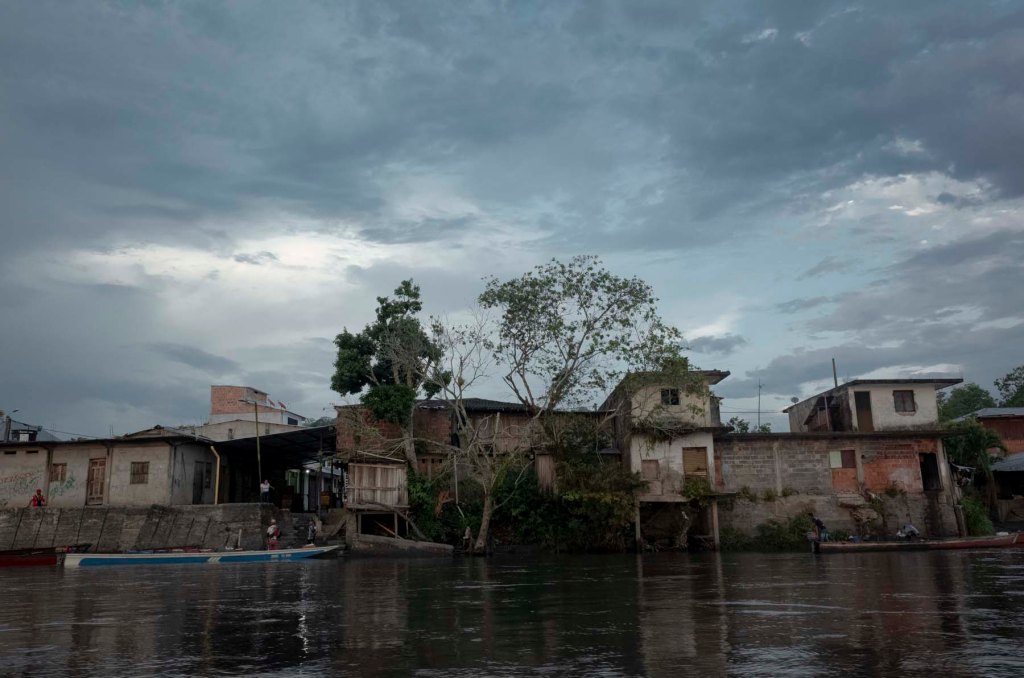

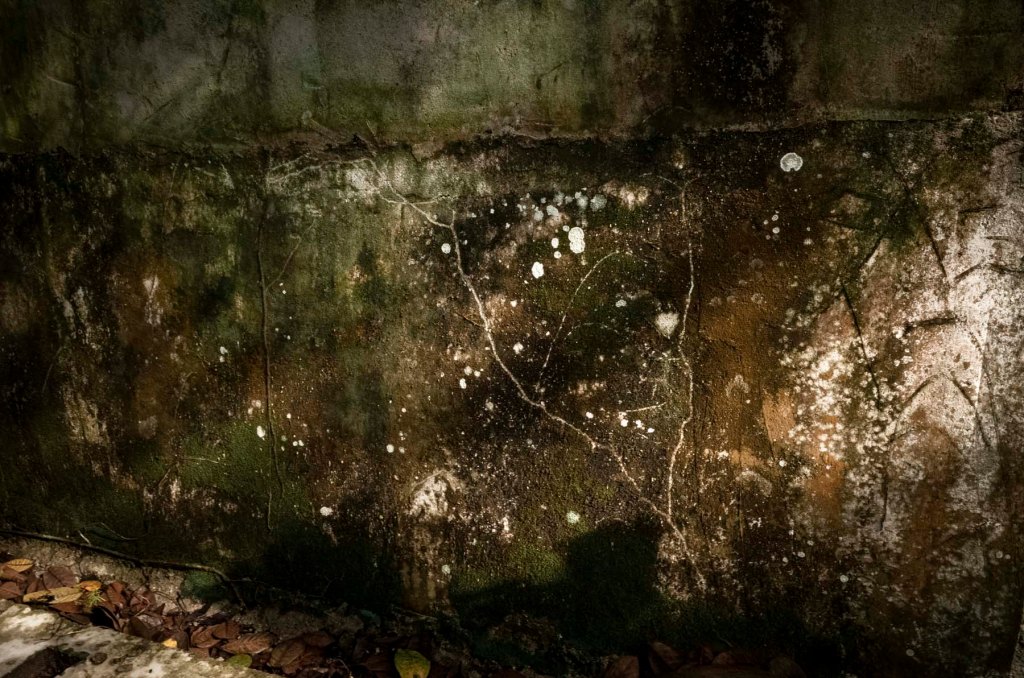
In the early 1980’s Colombian internal armed conflict was exacerbating as drug trafficking was increasing. In the disputed Middle Magdalena Valley (north-central Colombia) former paramilitary training camps would soon be set up while the Colombian Army and the guerrillas were fighting to take over the area. Yet, in La India (Santander) a village amidst Middle Magdalena’s rainforests, a peasants’ association, (Asociación de Trabajadores Campesinos del Carare – ATCC for its acronym in Spanish) achieved real peace for the very first time since the beginning of the conflict.
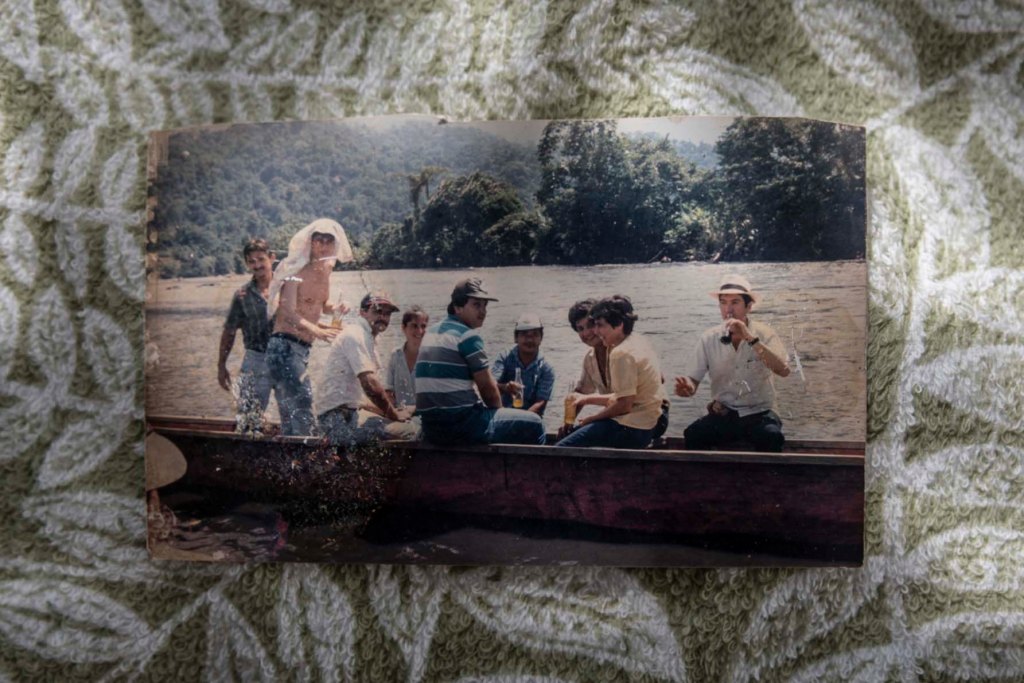
Between 1987 and 1990, in La India and its surrounding areas, unarmed farmers achieved and maintained a cease-fire between all nearby fighting groups– army, guerrillas and paramilitaries. The ATCC also carried on an autonomous economical model. During these three years of peace, many people who had been displaced by war came back to their homes.
Nevertheless, violence put an end to that unique experience on February 26th, 1990, when the main leaders of the ATCC were murdered, and La India backslid into war.
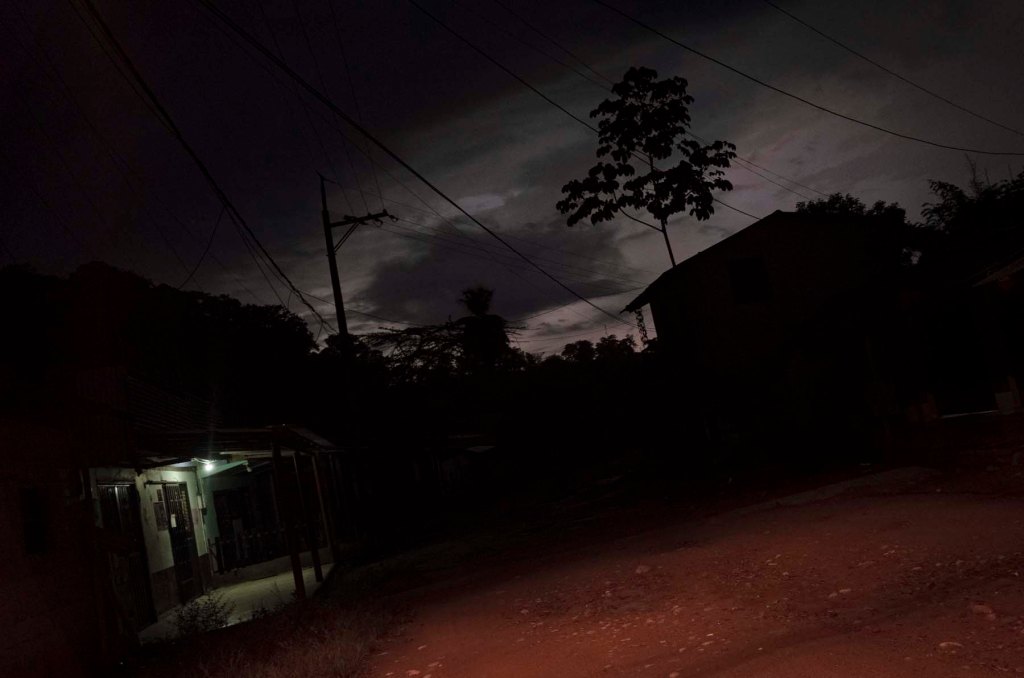
Nowadays, more than 8 years after the peace deal with the FARC-EP guerrilla, the armed conflict is worsening again. Even though La India isn’t enclosed by conflict, their inhabitants live under the constant fear that war may come back.
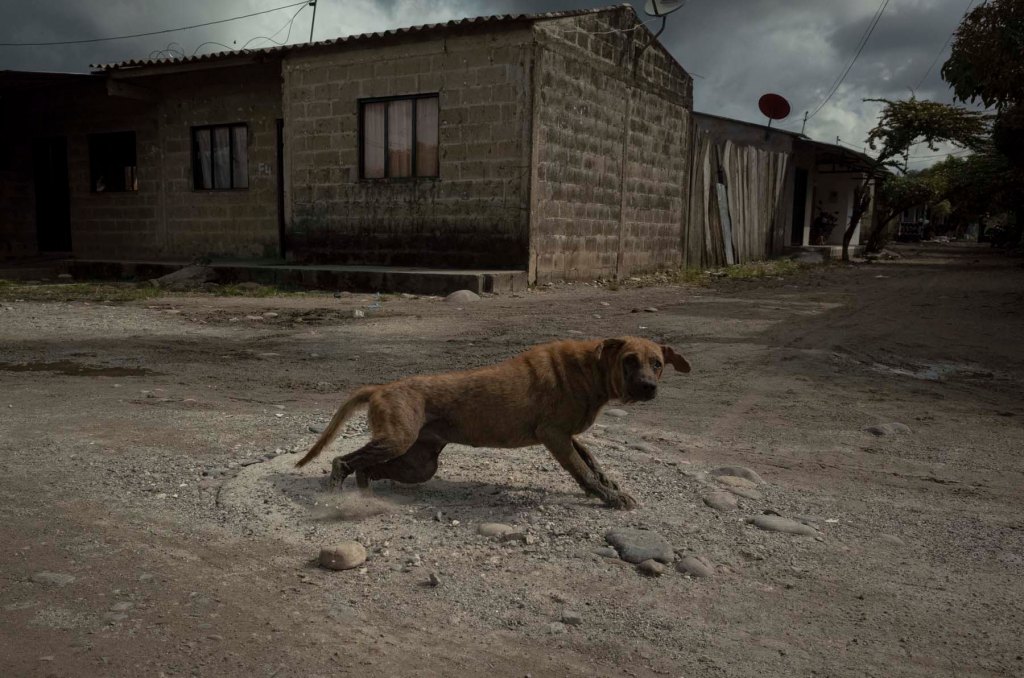
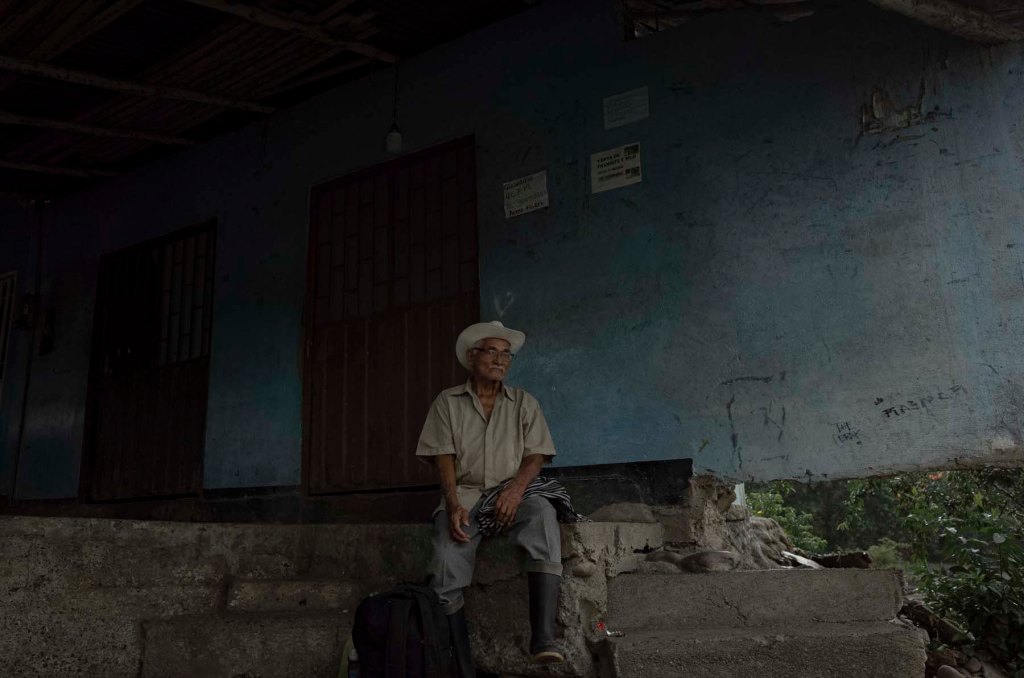
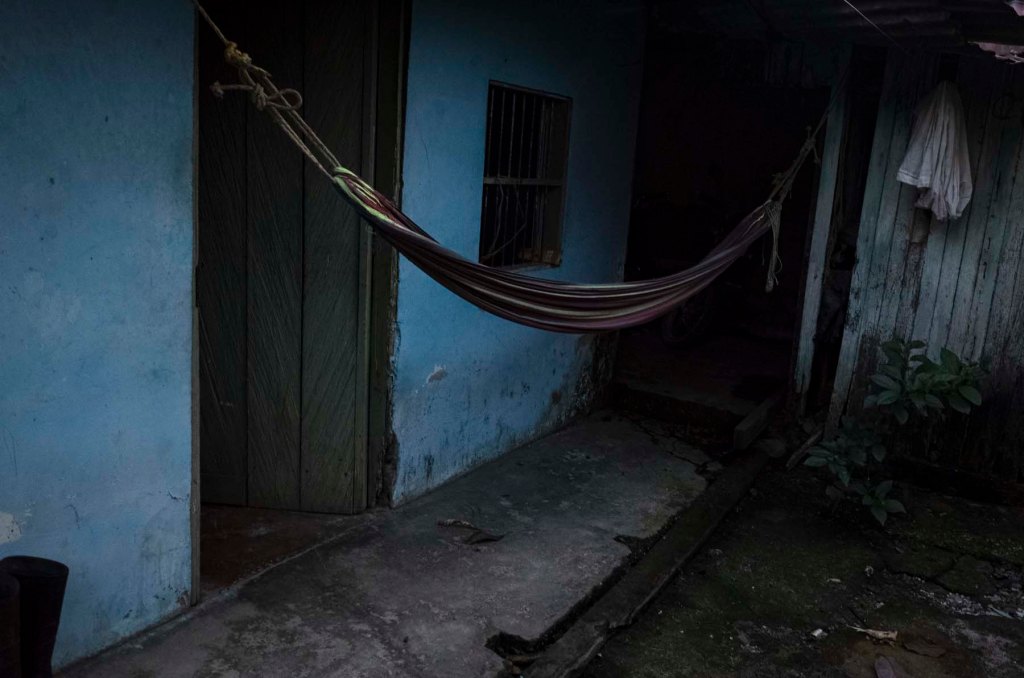
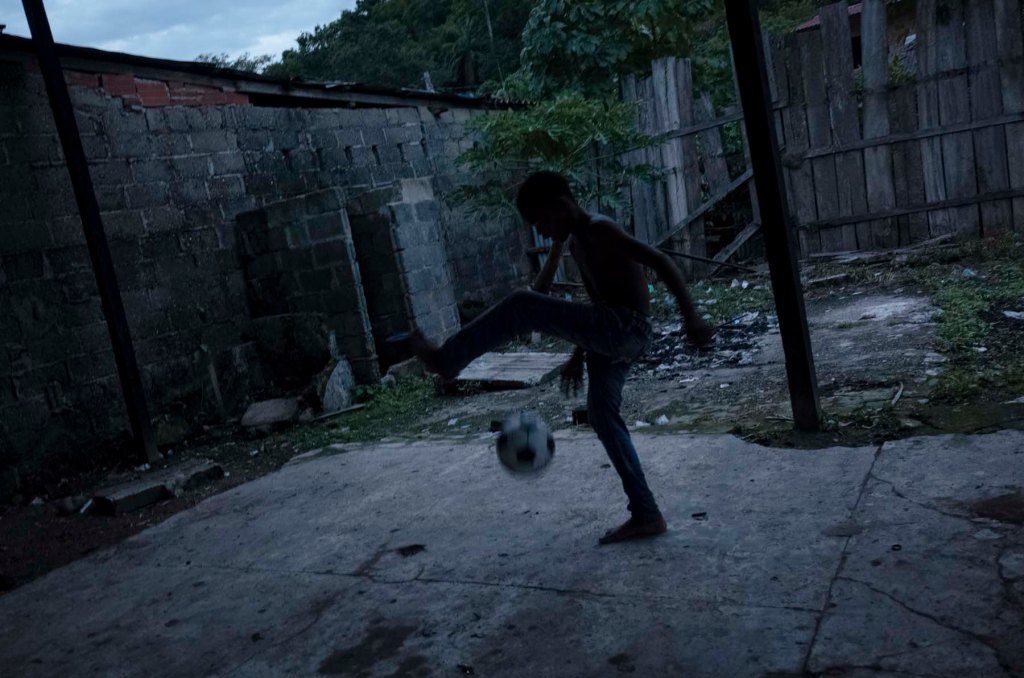
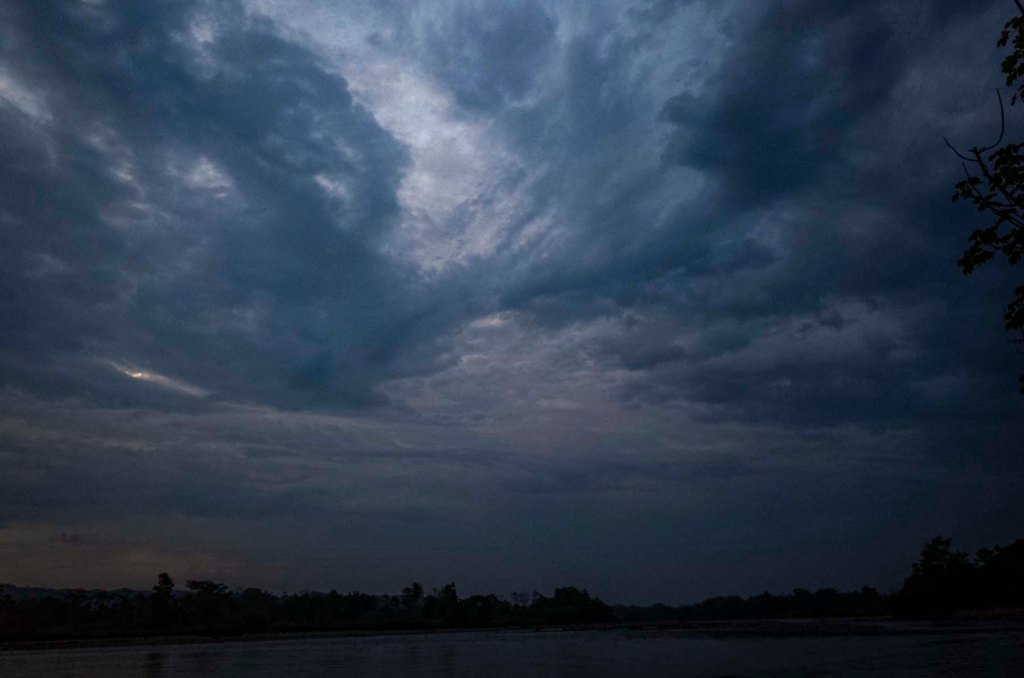
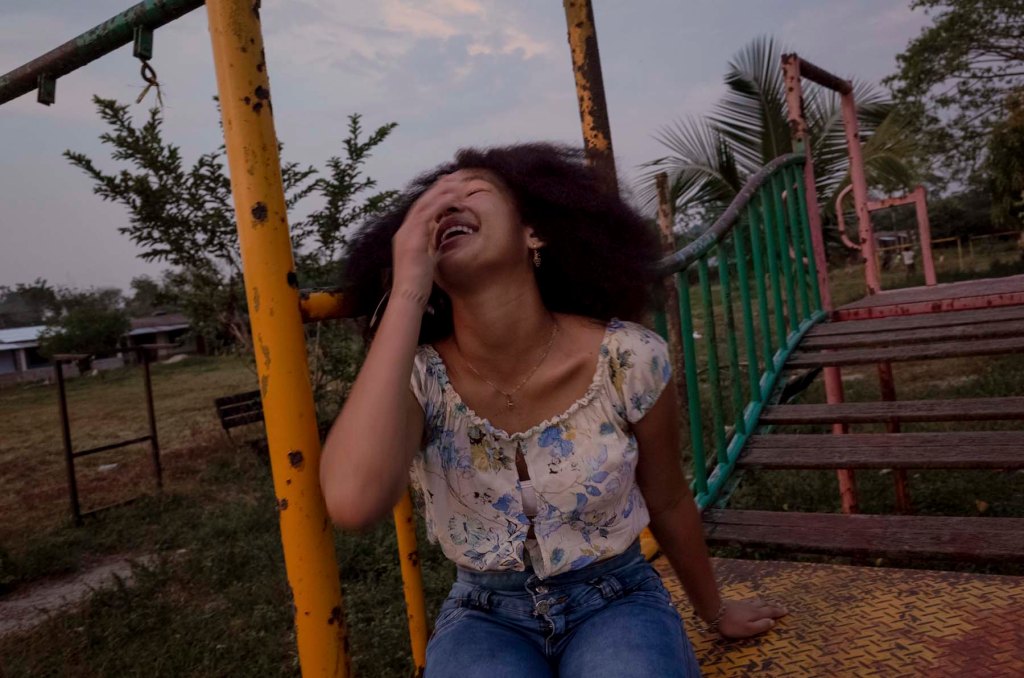
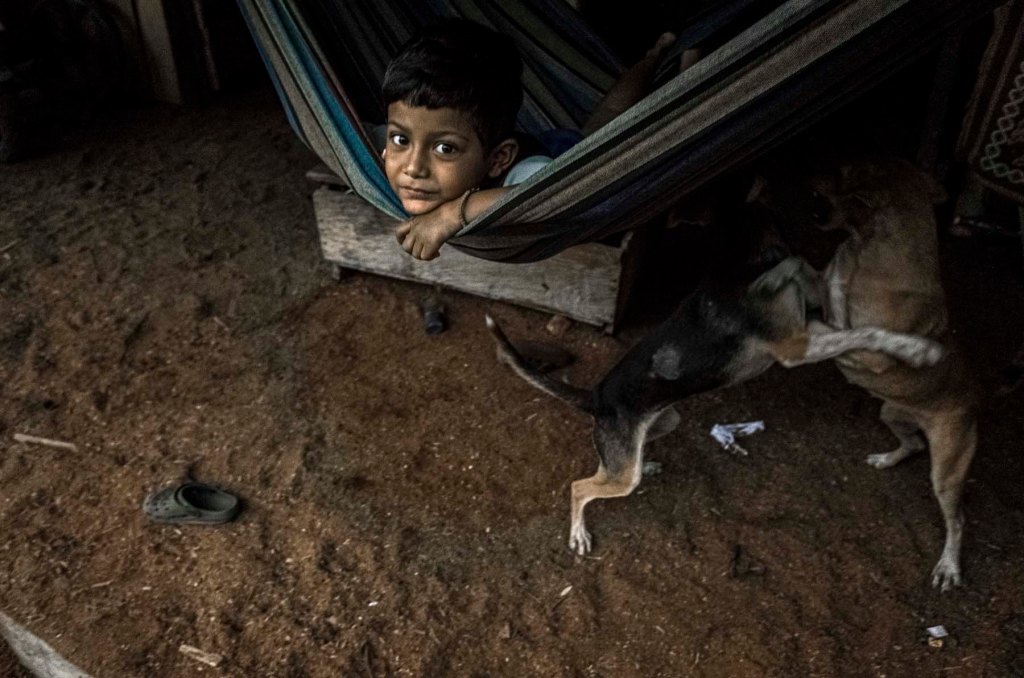
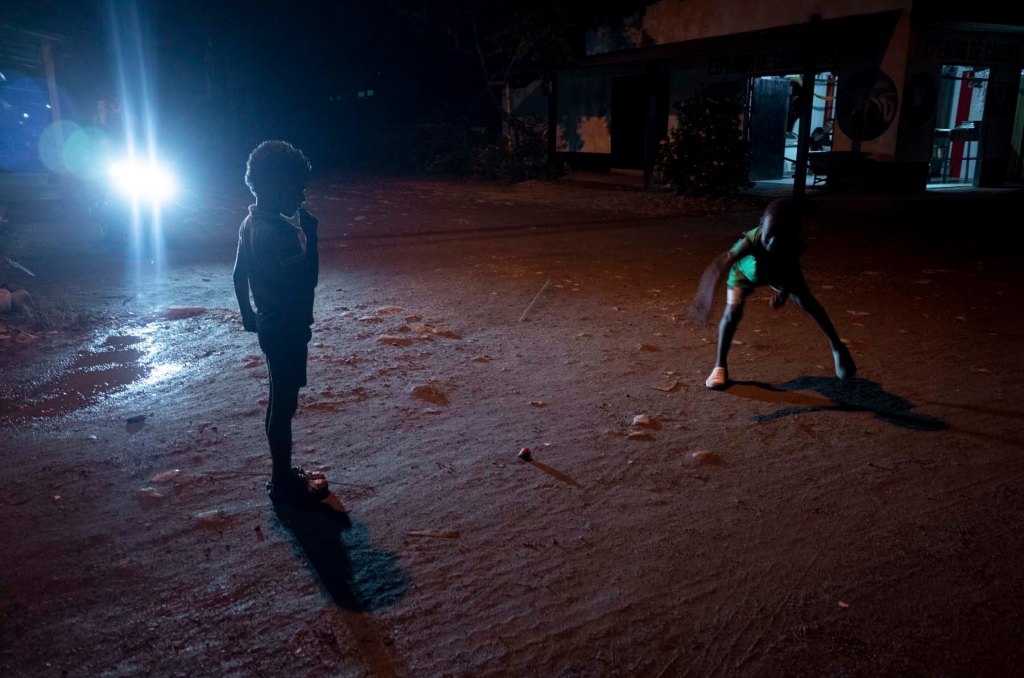
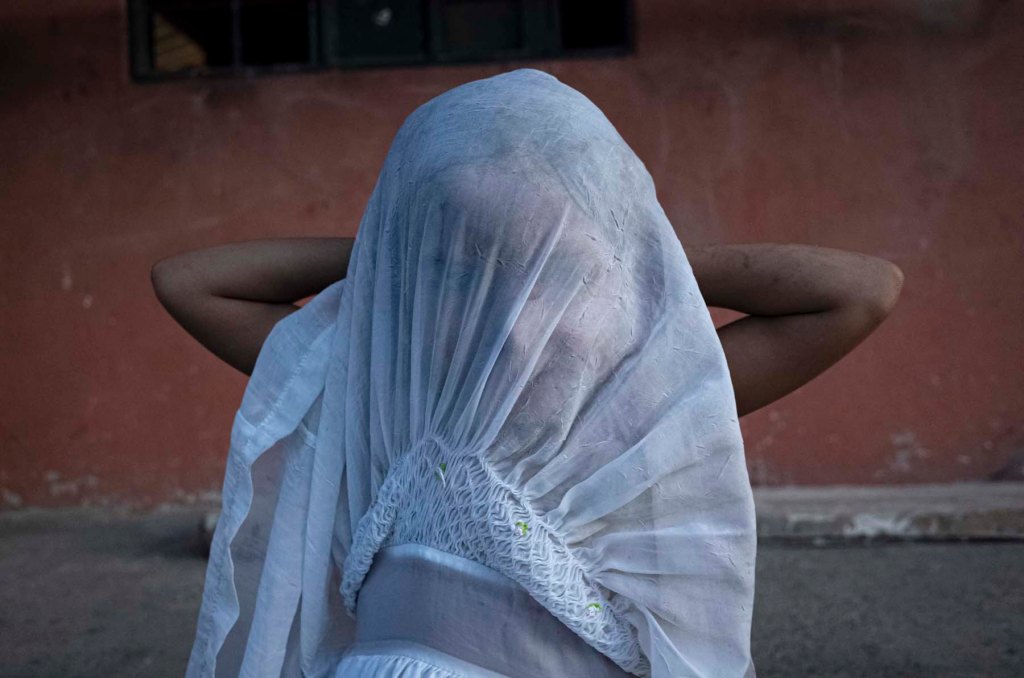
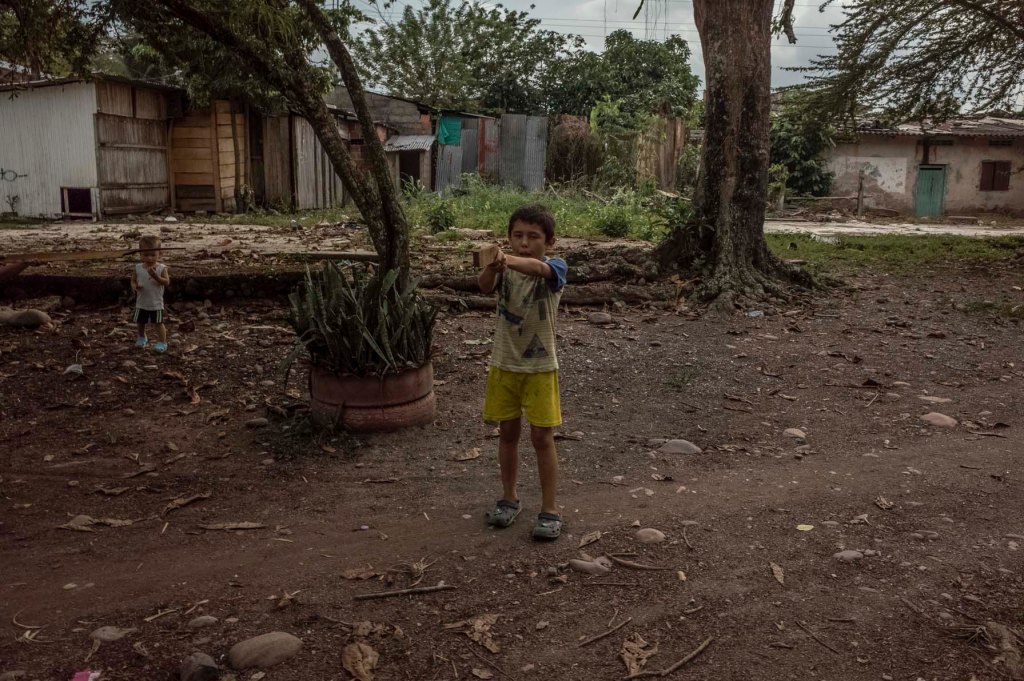
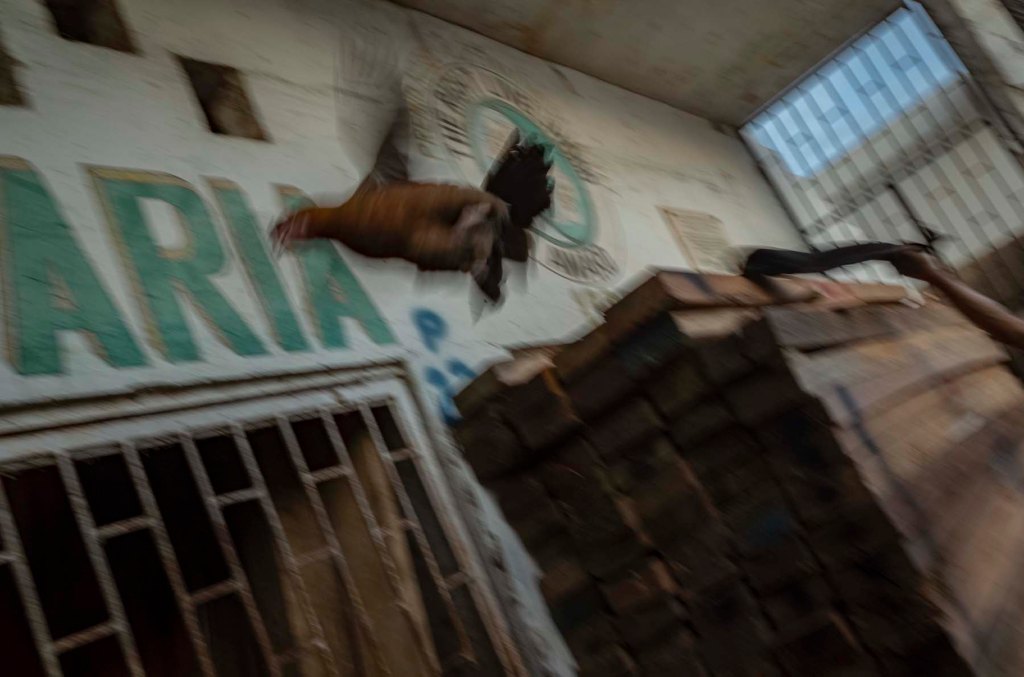
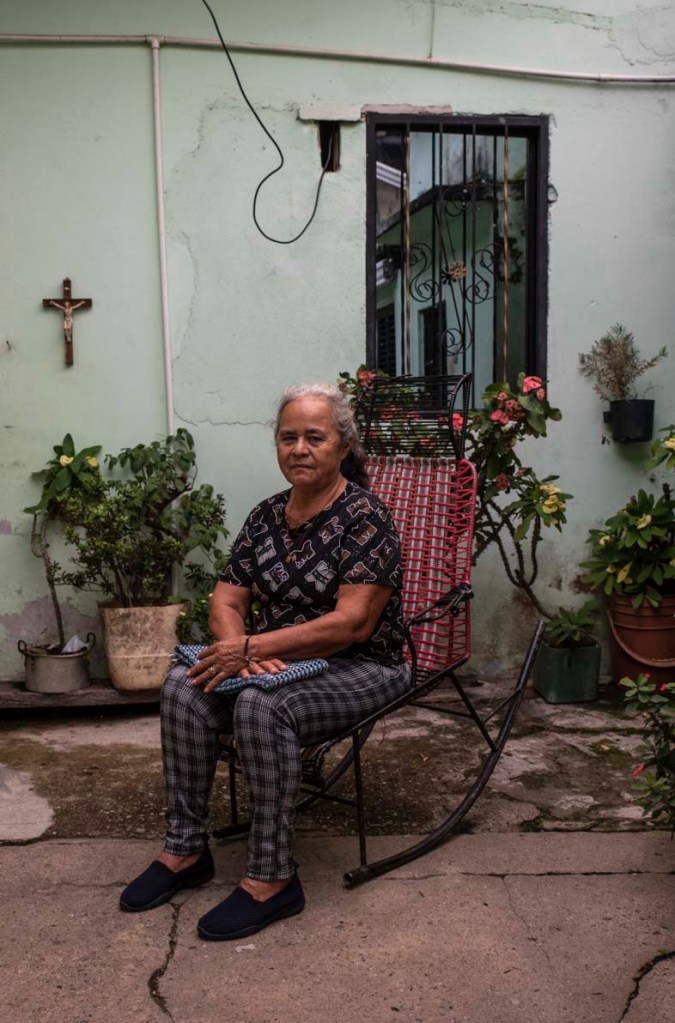
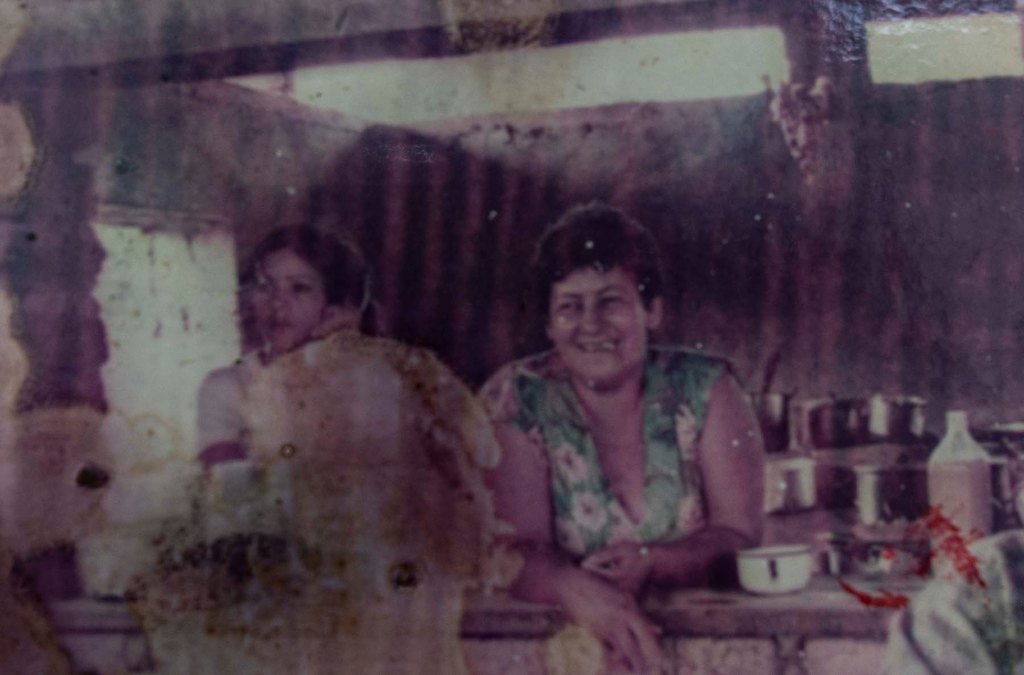
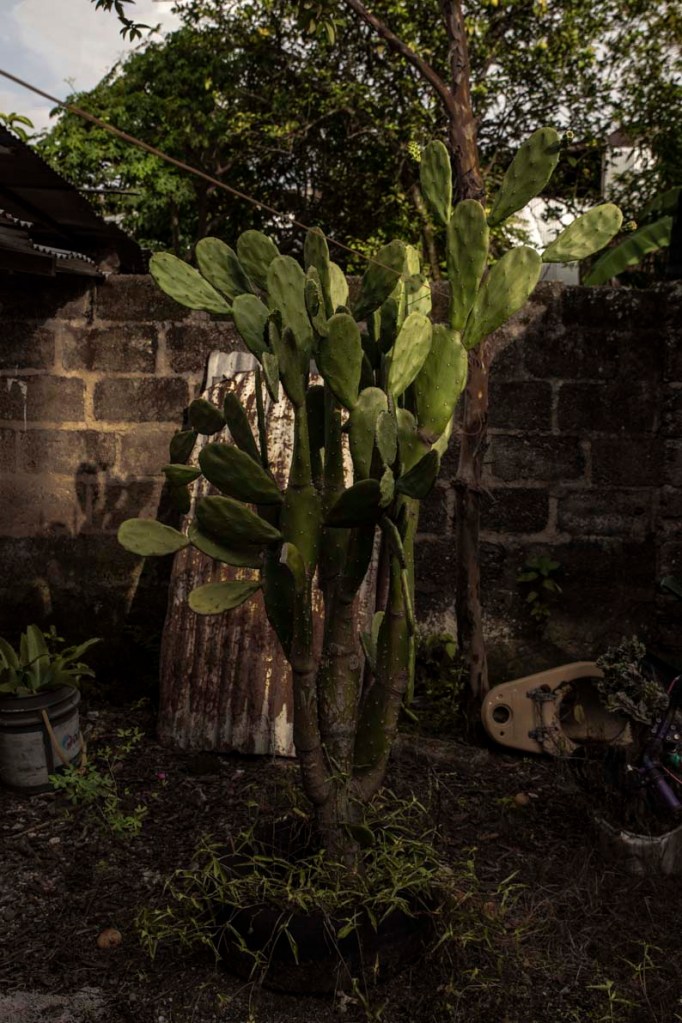
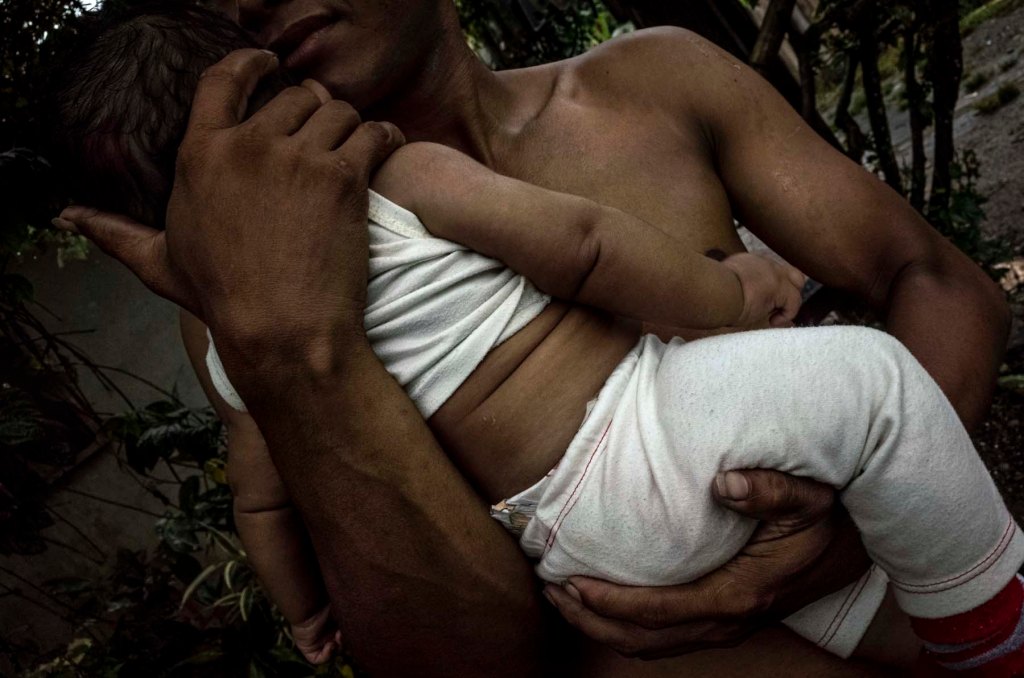
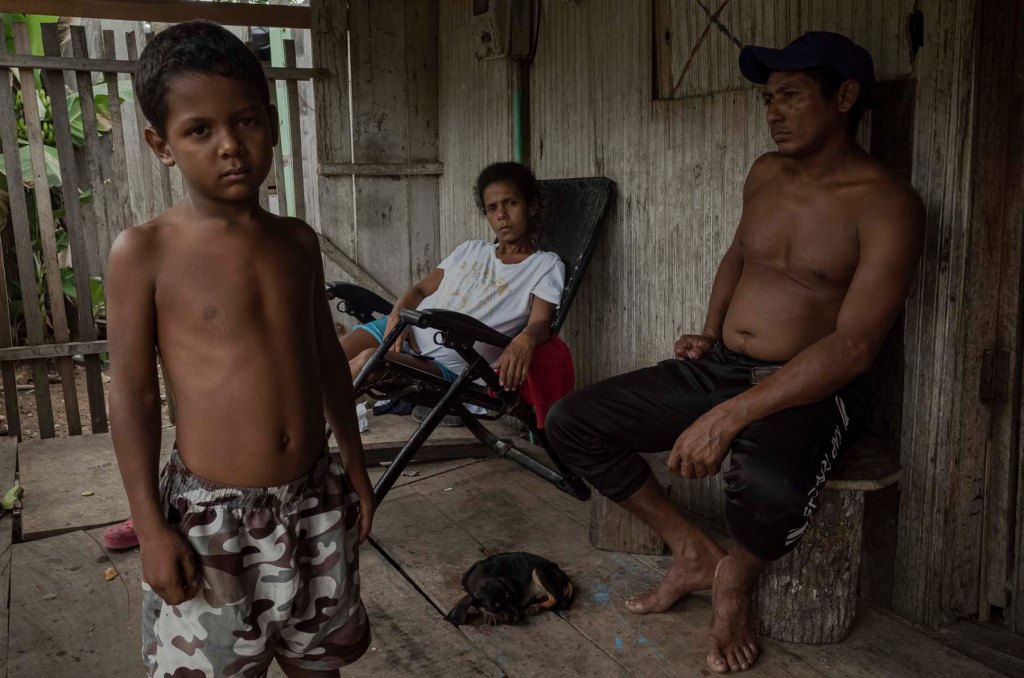
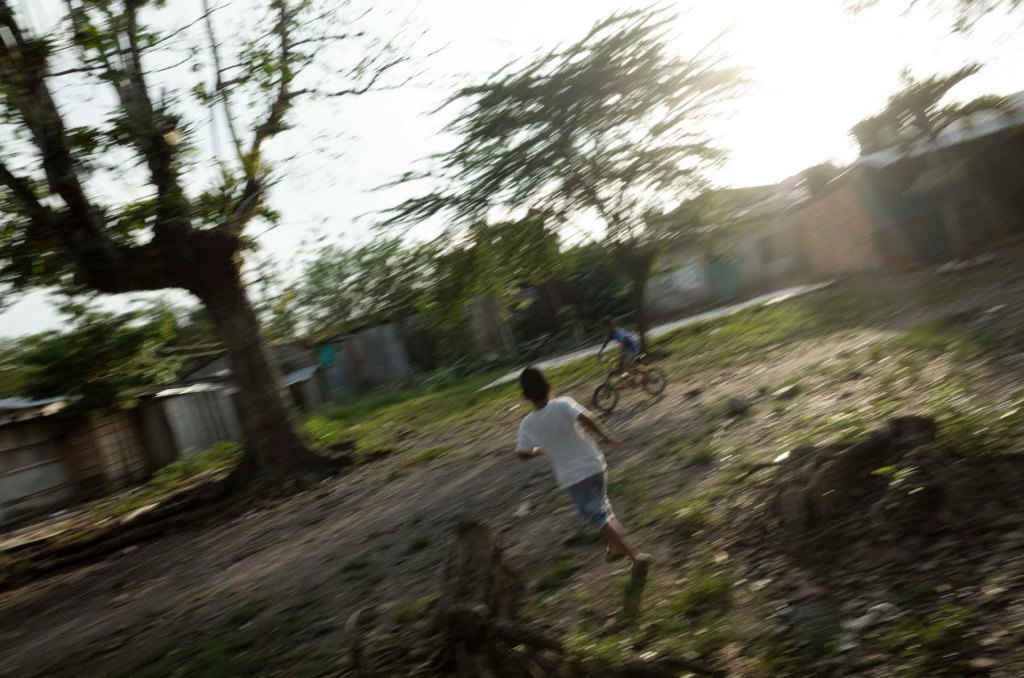
This project tells a different story of La India, a less visible one, in which peasant workers collectively pursued and continue to pursue a countryside where life is possible.
In the early 1980’s Colombian internal armed conflict was exacerbating as drug trafficking was increasing. In the disputed Middle Magdalena Valley (north-central Colombia) former paramilitary training camps would soon be set up while the Colombian Army and the guerrillas were fighting to take over the area. Yet, in La India (Santander) a village amidst Middle Magdalena’s rainforests, a peasants’ association, (Asociación de Trabajadores Campesinos del Carare – ATCC for its acronym in Spanish) achieved real peace for the very first time since the beginning of the conflict.
Between 1987 and 1990, in La India and its surrounding areas, unarmed farmers achieved and maintained a cease-fire between all nearby fighting groups– army, guerrillas and paramilitaries. The ATCC also carried on an autonomous economical model. During these three years of peace, many people who had been displaced by war came back to their homes.
Nevertheless, violence put an end to that unique experience on February 26th, 1990, when the main leaders of the ATCC were murdered, and La India backslid into war.
Nowadays, more than 8 years after the peace deal with the FARC-EP guerrilla, the armed conflict is worsening again. Even though La India isn’t enclosed by conflict, their inhabitants live under the constant fear that war may come back.
This project tells a different story of La India, a less visible one, in which peasant workers collectively pursued and continue to pursue a countryside where life is possible.
 Rafael Roa